King Of Jordan: A Comprehensive Look At The Leadership And Legacy - As the King of Jordan, Abdullah II plays a vital role in international diplomacy. He has been a staunch advocate for peace in the Middle East, working tirelessly to resolve conflicts and promote dialogue among warring factions. Sustainability is a key priority for the king, who has emphasized the importance of renewable energy and environmental conservation. His commitment to green initiatives aligns with global efforts to combat climate change and ensure a sustainable future for all.
As the King of Jordan, Abdullah II plays a vital role in international diplomacy. He has been a staunch advocate for peace in the Middle East, working tirelessly to resolve conflicts and promote dialogue among warring factions.
The king's emphasis on infrastructure development has attracted foreign investment and created jobs for Jordanians. Projects such as the Aqaba Special Economic Zone and the Queen Alia International Airport expansion have boosted the country's economic potential.
At home, the king's policies focus on improving the quality of life for Jordanian citizens. From healthcare to housing, his initiatives aim to address the most pressing needs of the population.
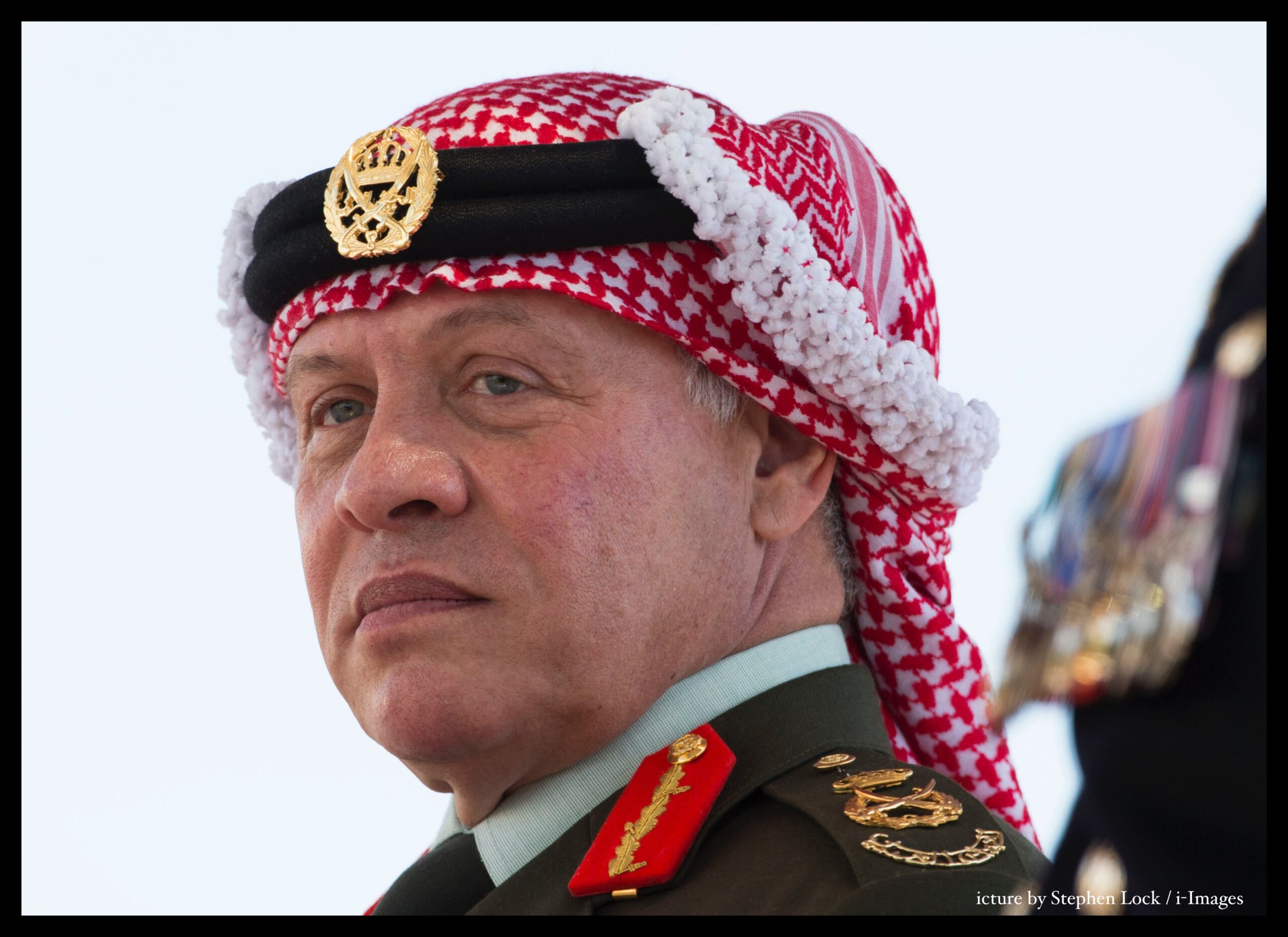
His majesty king Abdullah II of Jordan King abdullah, Jordan royal
The economic policies of King Abdullah II have had a significant impact on Jordan's development. While challenges remain, his initiatives have laid the foundation for long-term growth and stability.
Under King Abdullah II's leadership, Jordan has made significant strides in various sectors. From improving educational standards to enhancing digital infrastructure, the king's initiatives have laid the groundwork for sustainable development.
The monarchy in Jordan plays a critical role in maintaining national unity and fostering international relations. As the king of Jordan, the monarch is not just a figurehead but an active participant in the nation's governance, ensuring peace and prosperity for its citizens. Understanding the king's role is essential for comprehending Jordan's political landscape and future trajectory.
The legacy of the King of Jordan, Abdullah II, will be defined by his unwavering commitment to progress, peace, and prosperity. Through his leadership, Jordan has emerged as a beacon of stability in a turbulent region, offering hope and opportunity to its citizens.
Jordan's economy has been affected by regional instability and global market fluctuations. The king has implemented fiscal reforms and sought international partnerships to mitigate these challenges, but the road to economic recovery remains fraught with difficulties.

King Abdullah II has prioritized education as a cornerstone of national development. He has launched several programs aimed at improving access to quality education, particularly for underprivileged communities. Additionally, his focus on STEM education has positioned Jordan as a regional leader in technology and innovation.
Over the decades, the Jordanian monarchy has evolved to meet the challenges of a changing world. From King Hussein's efforts to modernize the country to King Abdullah II's focus on digital transformation and sustainable development, each ruler has left an indelible mark on Jordan's progress. The monarchy remains a stabilizing force in a region often plagued by conflict.
King Abdullah II's leadership style is characterized by a commitment to reform, modernization, and inclusivity. He has prioritized policies that promote economic growth, social justice, and regional stability. His approach is rooted in a deep understanding of Jordan's unique challenges and opportunities.